
Trigger Warning: This blog is dealing with theme of baby loss
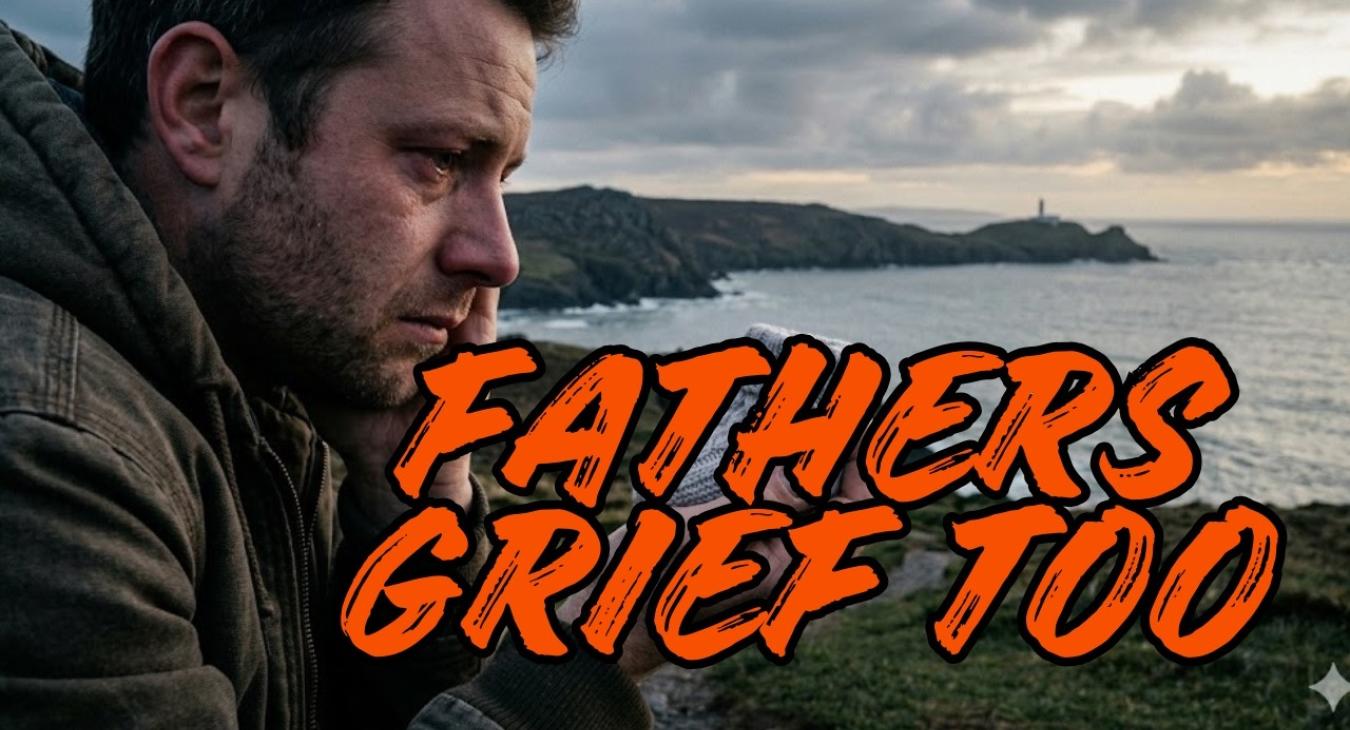
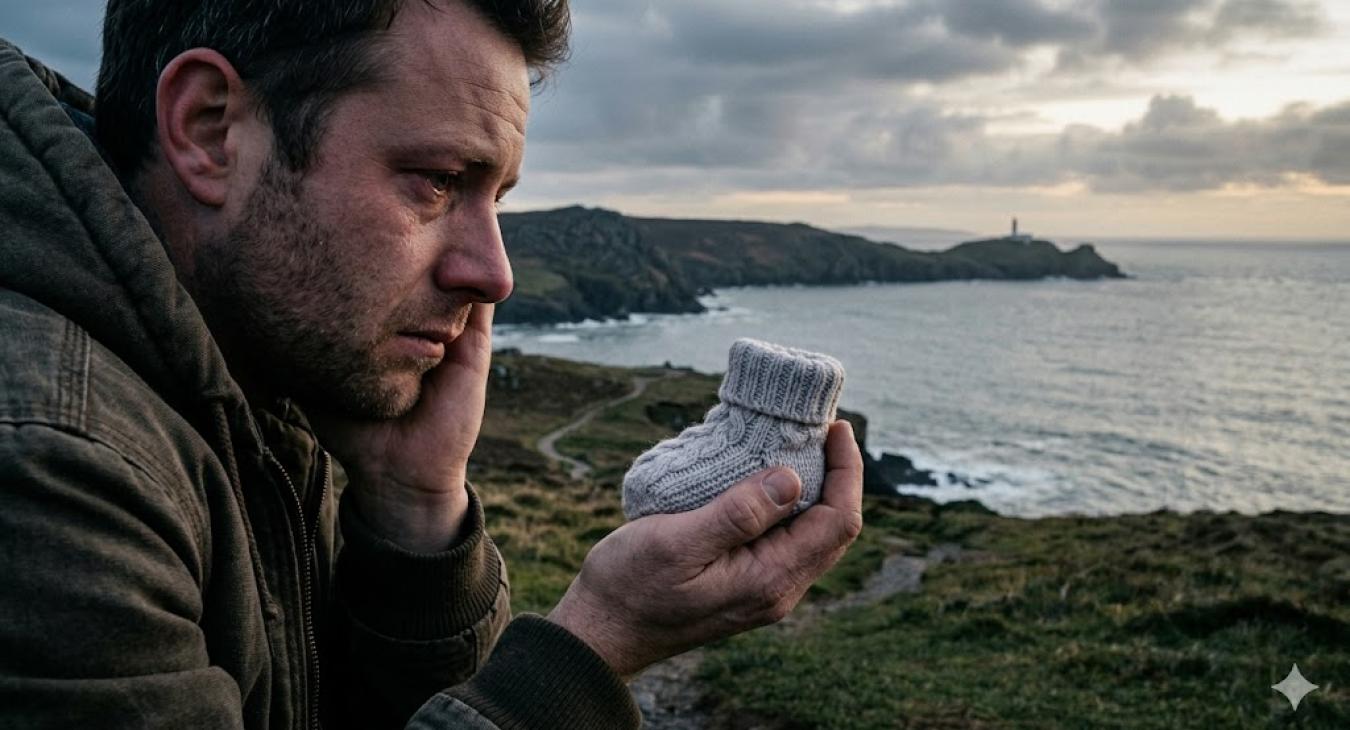
There are few losses in this world that compare to the loss of a baby. And for the mother, the woman who carried that life inside her, whose body knew that child before anyone else did, the grief is in a category of its own. Physical. Primal. Bone-deep in a way that no one who hasn't experienced it can fully comprehend. I am not here to challenge that, or diminish it, or suggest for a single moment that a father's pain sits in the same place. But I am here to say this. Fathers grieve too. Quietly, often invisibly, and frequently without anyone, including themselves, giving them permission to do it. This one's for them.
Pregnancy loss and fathers
Maybe you'd already imagined it, the school runs, the football in the garden, the first time they'd call you Daddy. Maybe you'd barely had time to get your head around it before it was gone. Either way, the loss is real. The pain is real. And yet, somehow, the world around you may have made you feel like it isn't.
How society ignores men's grief after baby loss
When a baby is lost, through miscarriage, stillbirth, or neonatal death, the conversation almost always centres on the mother. And rightly so; she has been through something physically and emotionally devastating. But in focusing there, society has created a quiet blind spot. The father to decided to stand beside her, to hold it together, and quietly fall apart. Research published in BMC Pregnancy and Childbirth found that the vast majority of bereavement literature and care guidelines have focused almost exclusively on women, leaving men's grief largely unexplored and unsupported. What little research does exist tells a consistent story. Men grieve deeply, but they grieve in ways that are often invisible to the people around them, and sometimes even to themselves. Researchers have named it Disenfranchised Grief, grief that isn't openly acknowledged or socially supported. For fathers, it can be double. You're not just grieving your baby. You also grieve without permission.
Do fathers grieve miscarriage and stillbirth?
One of the most persistent and damaging myths about baby loss is that a father's attachment somehow doesn't run as deep, that because the pregnancy happened in someone else's body, the loss hits differently, or less. The research disagrees. Studies have shown that men develop strong prenatal bonds with their babies far earlier than previously understood, often long before any scan or appointment validates it. You didn't need to feel kicks or hear a heartbeat to love that child. You already did. And when that love has nowhere to go, it doesn't disappear. It becomes grief.
Why men struggle to process grief after pregnancy loss?
If you've found yourself throwing yourself into work, going silent, or reaching for a drink more than usual, you're not broken. You're not doing grief wrong. You're doing it the way so many men conditioned to do, because the alternative, breaking down, asking for help, admitting you're not okay, can feel like a betrayal of the role you've been handed. Because right from the moment of the loss, most men are quietly assigned a job. To be strong. Support your partner. Hold the family together. And in taking on that role, genuinely, lovingly, many men find their own grief gets pushed to the back of a drawer where it sits, unprocessed, sometimes for years. Research confirms this tension. Men consistently report that the expectation to be the supporter directly conflicted with their ability to process their own loss. You were grieving while being asked, by others and by yourself, not to.
The emotional impact of baby loss on men
Grief doesn't follow a script. For some men it comes in waves of sadness. For others it arrives as anger, or numbness, or an obsessive need to stay busy. Some men find themselves withdrawing from their partner at the very moment they need each other most, not out of coldness, but because neither of you knows how to hold your own pain and someone else's at the same time. There is no right way to grieve your baby. But there is a wrong outcome, and that's carrying it completely alone, indefinitely, with no outlet and no support.
Being through three miscarriages, each one with its own complications, I know how much it sucks. Twice I was scared I’d lose my partner as well. And my autistic brain did what always did to protect me from trauma, it went numb. But I don’t think that’s all, I now see that our lack of permission to grief in situation like this can make our brains to go numb because… well… we need to stay strong.
Baby loss support for fathers
In the UK, around 1 in every 227 pregnancies ends in stillbirth. Thousands more end in miscarriage or neonatal death. Behind every one of those statistics is not just a mother. There's a father too. If you're reading this and recognising yourself in any of it, please know that your grief matters. Your loss is real. And seeking support isn't a weakness. It's arguably the bravest thing you can do. Talk to your GP. Look into bereavement counselling. Reach out to organisations like Sands (Stillbirth and Neonatal Death Society) or The Miscarriage Association, both of which offer support specifically for fathers. Find another man who's been through it, if you can, because sometimes just knowing you're not alone in this is the first thing that helps. You don't have to be strong all the time. Not for this.
If you've been affected by baby loss and need support, Sands offers a free helpline at 0808 164 3332, and their website at sands.org.uk has resources specifically for fathers and partners.