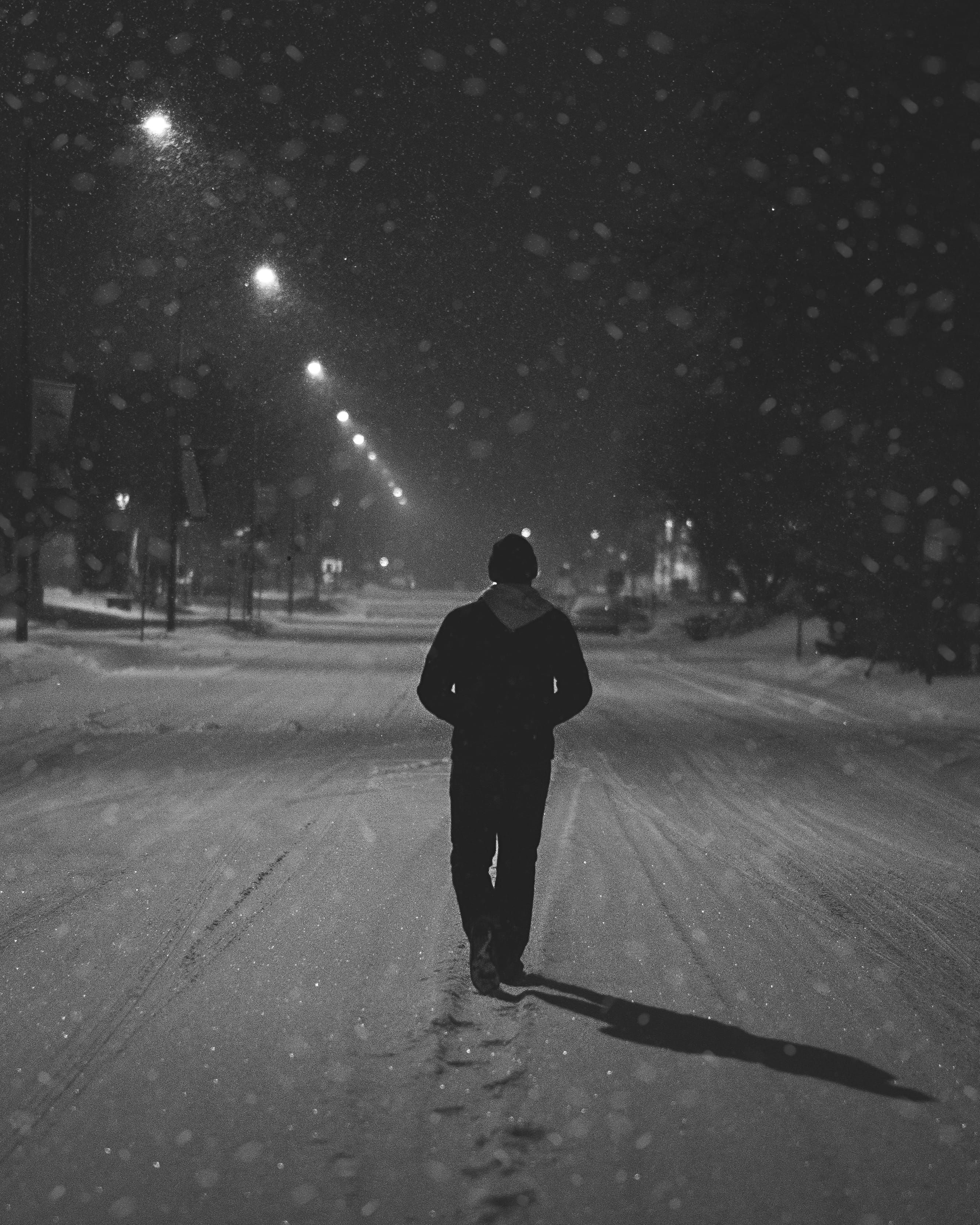
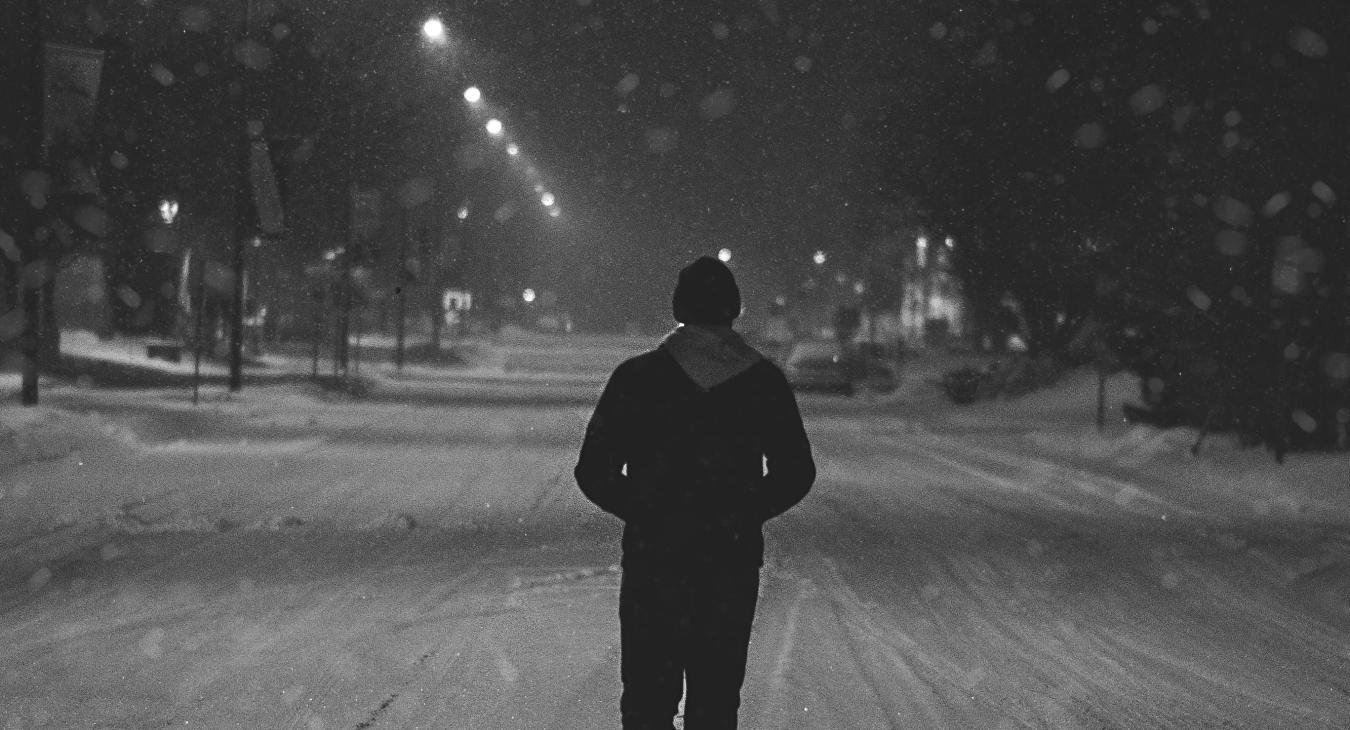
For many of us, Christmas arrives with images of warmth, family dinners, laughter, games, and festive lights glowing through dark nights. And let’s not forget the obligatory argument with the awkward uncle of the family!
But for some men, for reasons too many to name, Christmas feels more like an empty echo than a celebration.
The festive season often comes with pressure to be cheerful, social, generous, and present. And when you don’t feel like any of those things, when loneliness, loss, regret or grief have settled in, this pressure can feel exhausting. Surveys from UK organisations like Mental Health UK and Rethink Mental Illness show that around 84% of people with mental health difficulties feel worse over Christmas.
Loneliness and isolation spike, even for people surrounded by friends and family. For someone without family nearby, estranged from loved ones, or grieving a loss, the so-called ‘spirit of the season’ can re-open old wounds.
For a man who has lost a partner, fallen out with family, or simply never felt truly understood, Christmas can feel like a mirror held up to everything that’s missing. If you grew up being told “real men don’t get sad” or “keep a stiff upper lip,” the holidays might bring out old ghosts.
For many dealing with grief, bereavement, broken relationships, or years of quiet loneliness, the festive period can awaken old demons. Regrets, unspoken words, and doors that slammed long ago and never reopened.
The suicide myth and the reality
We often hear that suicides spike around Christmas, especially among men. It’s a powerful narrative, built on fear and the idea that the holidays are a make or break emotional deadline.
But the data tells a different story: suicide rates are actually lower in December than in many other months.
One review even found that suicide risk is significantly lower on Christmas Day, though tragically, the beginning of the new year often sees a rebound.
This doesn’t make the suffering, the anxiety, despair, or loneliness any less real. It simply means that Christmas itself isn’t necessarily a high-risk period. In fact, the danger often lies in the weeks and months that follow, when the lights go down, the guests leave, and we return to the grind.
Recent UK statistics show the urgency of the issue. In 2023, more than 7,000 people died by suicide, the highest number since 1999. Men still make up around three-quarters of those deaths.
Many men are carrying anguish through and beyond the holiday season. Often alone, often silent.
When relationships can’t Be fixed
One of the hardest truths is that Christmas highlights relationships that can’t, or won’t, be fixed.
A divorce that left deep wounds.
A falling out with siblings.
A final goodbye after the death of someone you loved.
Sometimes reconciliation isn’t possible, safe or healthy.
Pretending everything can be patched up, that Christmas can be just like the ‘good old days,’ can be a cruel lie we tell ourselves.
For many men I’ve met, fathers separated from their children, men estranged from their families, men rejected or hurt by faith communities Christmas can bring a sense of finality. And that’s painful. People who told me that prioritising them is what God wants somehow forgot about me.
But loss doesn’t have to define what’s left.
Finding Hope Again
If Christmas doesn’t feel merry this year, you’re not alone. But this isn’t the end of your story.
Give yourself permission to sit with the sadness. It’s okay to admit the holiday feels empty or even downright shit. It’s not weakness, it’s honesty. Grief, regret and loneliness don’t disappear just because the calendar says December.
By naming your pain, you begin to hold it. And when you hold it, you can begin to guide it.
Small Rituals, Small Connections
Christmas doesn’t need to be perfect or busy. Sometimes the simplest acts help:
Send a text or call someone. Even an old friend or a distant relative.
Take a long walk in nature or by the sea. The cold winter air can bring clarity.
Journal, write a letter, or even a blog post like this one. Let the thoughts out.
Volunteer or help others. Small acts of kindness can reach further than we expect. I have fond memories of serving Christmas dinners at the Salvation Army for people who had no one. Some guests weren’t even Christian.
Or stay home and make it a day all about you. Eat crappy food. Watch horror films like Terrifier 3 or Krampus, or something completely cheesy.
Buy yourself presents and pretend they’re from Father Christmas. Why not?
Do whatever feels right and kind for you.
Research from Mind suggests that reaching out, asking for help, admitting you’re not okay can make a real difference.
If you have no one nearby, support services and charities are ready to listen.
If it feels unbearable, call Samaritans: 116 123.
The Season Will Pass
Christmas and the weight it brings are temporary. January will come. Lights fade, seasons shift, the world keeps moving and so can you.
Sometimes building a different kind of Christmas becomes a turning point. A quiet moment of reclaiming your time, your worth, your inner self.
Maybe that means learning to sit with grief.
Maybe it means opening up to someone.
Maybe it means rediscovering what gives your life meaning, work, hobbies, faith, purpose, healing.
Build for the Future, Not the Past
When relationships are beyond repair, or when loneliness feels endless, shifting your focus toward what you can build is life changing.
This might look like:
Rebuilding connection with your children, however small or fragile those ties may feel.
Reaching out to like minded men who understand pain, trauma, and grief.
Go to therapy. Not as a last resort, but as a place to start rebuilding your life.
Finding purpose through work, creativity, volunteering, faith, or committing to caring for yourself.
You are not Alone
If you’re reading this and thinking ‘this is me. Please know this, you’re not the only one. You may feel alone, but many men feel exactly as you do. Silence doesn’t have to be your only option.
If the weight becomes too much, reaching out, talking, writing, letting someone know can make a difference.
The end of the year doesn’t mean the end of hope.
Sometimes, it’s the beginning of something new.